


How to Spot Fake Air Jordan Sneakers: Definitive Authentication Guide
Let’s cut to the chase — the knockoff shoe market is absolutely huge, and Air Jordans are the biggest brand being faked. Industry analysis estimate that counterfeit sneakers constitute roughly $450 billion in worldwide trade per year, and Jordan Brand shoes represent a massive portion of that figure. Whether you’re buying from a re-seller, an online platform, or even a local retailer that seems a little suspicious, learning how to confirm the authenticity of your pair is essential — it’s critical. I’ve with my own eyes inspected numerous of pairs over the years, and the fakes have turned disturbingly convincing, notably since 2024. This resource covers every inspection point I use when verifying Air Jordans, from the box to the outsole and every element. Bookmark this one, because it may save you from dropping $250 on a pair of kicks that cost someone $12 to produce.
Start With the Box: Your First Line of Verification
The shoebox itself holds a set of clues that counterfeiters often miss, so check it before you even touch the sneakers. Real Jordan shoeboxes have a specific weight and texture to the cardboard — it’s solid, with a gentle matte finish that reads as upscale to the feel. Examine the product label on the end of the box for the proper style code, size, and colorway name, then cross-reference this information against Nike’s main catalog or established sources like Nike.com. The typeface on authentic labels is clear and evenly distributed, while knockoffs regularly feature sloppy letter spacing, slightly bolder text, or wrong font styles. Pay close attention to the barcode label — scan it with any barcode reader app and make sure it shows the proper item details. The wrapping paper inside genuine boxes also has a specific crinkle and thickness; knockoff wrapping often uses flimsier, low-grade paper that rips more quickly. Many skilled verifiers can recognize a replica within 30 seconds just by checking the box, so never overlook this crucial first step.
Examining the Sneaker Build and Materials
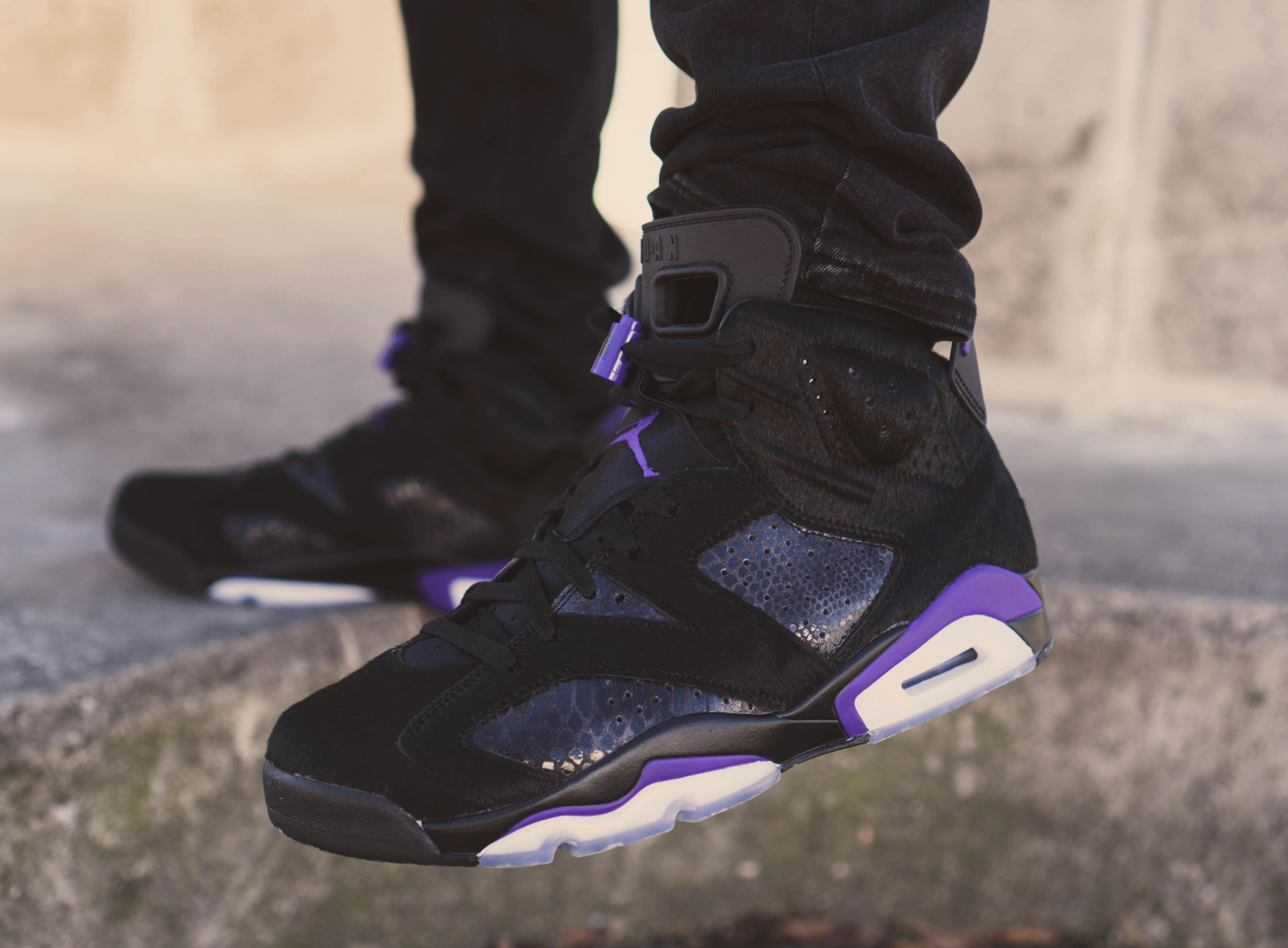
Take the shoe and feel the leather — real Air Jordans use high-quality fabrics that Michael Jordan have a supple, consistent grain pattern across the full upper. On the Air Jordan 1, legitimate leather panels should be smooth but firm, not synthetic or excessively hard, and the tumbled leather on select colorways should have a authentic, varied texture rather than a pressed, repetitive pattern. Stitch quality is one of the most reliable markers: genuine pairs have tight, consistent stitches with no dangling threads, fraying, or uneven gaps. Verify the stitches on critical zones like the swoosh and the wing flap — Nike maintains specific stitch counts that differ by model and size, and fakers rarely nail these accurately. The general shape of the sneaker matters too; authentic Air Jordan 1s have a distinctive hourglass silhouette when seen from behind, while many fakes appear overly straight or square. Drag your finger along the sole edge where it bonds with the upper — real shoes have seamless, tight joining with no visible glue residue or separations.
The Bottom and Air Unit: Details That Fakes Fail On
Examine the tread pattern meticulously against verified images from official releases by turning the shoe over. Legitimate Air Jordan bottoms have precise tread patterns with crisp lines and uniform depth across the complete outsole surface. The outsole rubber on authentic pairs has a characteristic hardness and mild see-through quality on specific models (like the Air Jordan XI’s icy sole) that replica makers find it hard to copy correctly. Apply pressure firmly on the heel area to test the Air unit — real Nike Air cushioning has a distinctive responsiveness that inferior foam inserts are unable to replicate. On models with see-through Air units, like the Air Jordan 3, 4, or 5, inspect the Air bubble for transparency, accurate dimensions, and correct alignment within the midsole window. The Jumpman logo on the outsole should be precisely defined with no blurring or imperfections in the lines, and on the Air Jordan 3, the body ratios of the Jumpman should correspond to official pictures exactly. Hue uniformity between the sole and midsole is another red flag — knockoffs regularly have subtle shade mismatches that are instantly noticeable when placed side by side with authentic pairs.
Tags, Labels, and the Nike Size Tag Examination
The inner size tag is probably the most closely scrutinized component in shoe verification, and for very good reason — it carries levels of traceable facts. Genuine Nike size tags show exact typefaces, kerning, and arrangement that shift at intervals, so you need to check against tags from the matching production period. The tag should include the correct product code matching the box, a production date that aligns with the known release date, and manufacturer codes that correspond to certified Nike production plants. In 2026, Nike product tags generally include a quick-response code alongside the standard UPC — verify both and verify they point to authentic product information. The text quality should be clear with no bleeding, and the tag material itself should feel slick and slightly waxy, not rough or cheap-feeling. I always suggest photographing the tag under a loupe and checking it against certified authentic pairs from databases operated by verification services like CheckCheck or Legit Check. If any one aspect on the size tag seems suspicious — wrong font, uneven spacing, unusual texture — treat it as a warning sign serious enough to rethink the purchase.
The Sniff Test and Other Physical Assessments
This might sound weird if you’re a beginner at legit checking, but veteran experts know that genuine Air Jordans have a specific odor that’s virtually extremely difficult to replicate. Genuine Nike shoes have a mild, delicate leather and rubber smell that comes from the particular ingredients and bonding agents used in authorized manufacturing plants. Replica kicks commonly stink of strong chemical fumes, strong industrial adhesive, or have an sprayed-on “new shoe” smell that’s been added to conceal manufacturing odors. Beyond scent, measure the weight of the shoes — genuine pairs within the same silhouette and size should measure within a couple of grams of each other, and many authentication guides provide documented weight ranges for sought-after models. Tap the midsole lightly and listen; genuine Air cushioning emits a slightly hollow, bouncy tone, while solid foam replicas often create a more muted thud. Examine the inner lining for even smoothness — legitimate pairs have neatly placed interior fabrics without puckering, folds, or showing cement. These hands-on tests complement the visual examination and provide additional evidence that bolster your complete assessment.
| Authentication Checkpoint | What to Look For | Common Fake Giveaways |
|---|---|---|
| Shoebox and labels | Right SKU, sharp text, scannable barcode | Uneven text, wrong font weight, non-scanning barcodes |
| Upper materials and leather quality | Buttery leather grain, even texture throughout | Synthetic rubbery feel, uniform pressed patterns |
| Thread work | Consistent spacing, proper stitch count, no fraying | Sloppy spacing, fraying edges, wrong thread hues |
| Sole | Precise traction pattern, correct rubber firmness | Faint grooves, incorrect rubber formula, shade difference |
| Size Tag | Correct fonts, valid QR/barcode, proper factory codes | Smudged print, wrong spacing, dead QR codes |
| Air Unit | Responsive cushioning, clear Air windows | Flat foam feel, cloudy or off-center Air bubbles |
| Odor | Fresh leather and rubber scent | Pungent chemical or heavy adhesive smell |
Using Technology and Third-Party Authentication Services
Technology and expert legit-check services provide an essential safety net when your own examination can’t give a definitive answer. Apps like CheckCheck and Legit Check by Ch enable you to submit thorough photos and receive certified assessments, typically within a few hours, for a charge between $5 and $15. Ultraviolet testing exposes secret details — genuine Nike shoes often have particular ultraviolet-reactive stamps and bonding patterns added during inspection in licensed factories. Some collectors invest in digital microscopes (found for under $50) to examine stitch work and printing quality at close-ups that expose even the most sophisticated counterfeits. In 2026, Nike’s own SNKRS app has improved authentication features for authorized buys, including blockchain-backed proof-of-authenticity records for specific limited-edition drops. Never hesitate to use various verification methods at the same time — skilled verifiers use a minimum of five checks before rendering a decision, and you should apply the same strategy for any transaction above $150.
Where to Cop and Danger Signs to Avoid
The most surefire way to prevent fakes is acquiring from approved sellers, Nike itself, or reputable resale marketplaces with embedded legit-checking. StockX, GOAT, and eBay’s Authenticity Guarantee all have trained verifiers who inspect every pair before dispatching. Be extremely careful of social media sellers advertising “steals” on hyped colorways — if a $400 sneaker is offered for $150, there’s a catch. Be alert to sellers who decline further photos, rush rapid sales, or push for untraceable payments like cryptocurrency or prepaid cards. Fresh accounts, catalog images instead of actual pictures of the shoes, and generic details are huge red flags. Always request recently taken photos with the seller’s username visible before going through with person-to-person deals. The golden rule hasn’t changed: if the offer seems too good to be true, passing is always cheaper than paying for fakes.
